



Blog
How to Choose Furniture That Lasts 10+ Years?

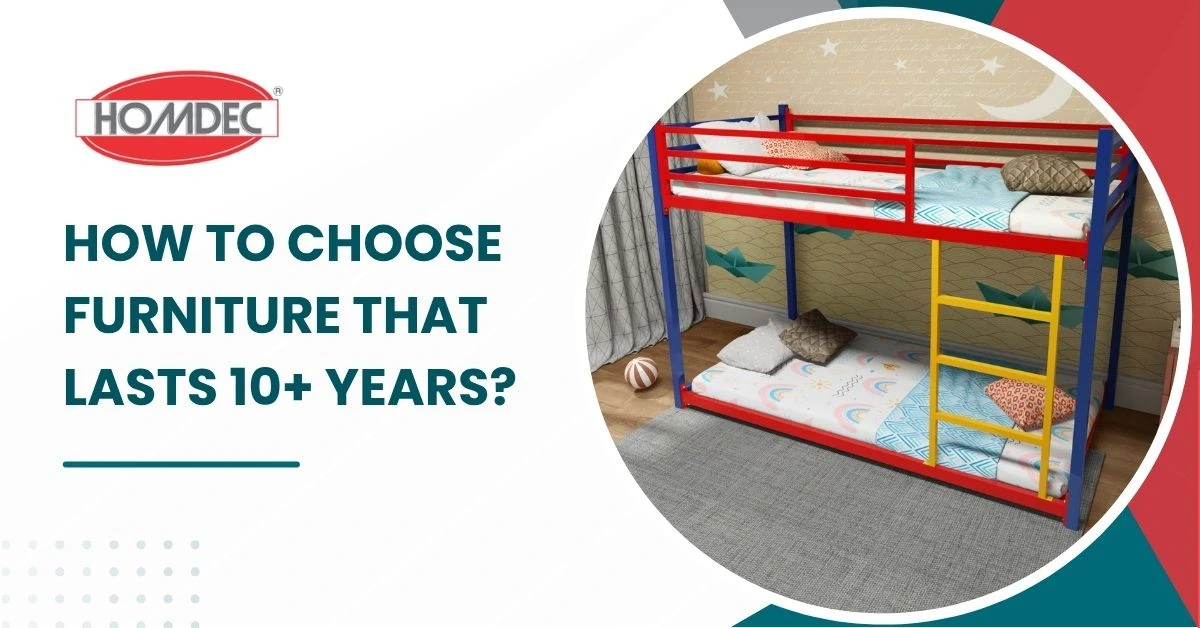
Furniture is not something you buy every year—it’s an investment that should last for a long time. In today’s fast-moving market, many buyers end up choosing furniture based only on looks or price, which often leads to replacements within a few years. That’s why understanding how to choose Durable Furniture is more important than ever in 2026.
When you invest in furniture that lasts 10+ years, you save money, avoid frequent repairs, and enjoy consistent comfort. Whether it’s a bed, sofa, dining table, or storage unit, the goal is to choose something that can handle daily use without losing strength or stability.
Let’s break down the key factors that actually make furniture last.
What Makes Furniture Truly Durable?
Durability is not just about material—it is a combination of multiple factors working together. Many people think that choosing a strong material alone is enough, but even high-quality material can fail if the construction is weak.
A piece of Durable Furniture depends on the overall design, build quality, and how it is used. For example, a well-designed bed distributes weight evenly across the frame, reducing stress on joints. Similarly, proper protective finishing protects the material from moisture and damage. So, durability is about the complete system—not just one element.
Key Factors That Define Durability
- Material Strength: Strong materials handle long-term use better.
- Construction Quality: Solid joints (such as interlocking welds or mortise-and-tenon) and a rigid frame increase lifespan.
- Protective Finishing: Prevents moisture, rust, and wear damage.
- Usage Suitability: Furniture dimensions and specifications should match your daily family needs.
Choosing the Right Material for Long Life
Material plays the biggest role in determining how long furniture will last. Different materials behave differently under pressure, weight, and environmental conditions. Choosing the right Durable Furniture material depends heavily on your usage and budget.
For instance, solid wood offers premium long-term durability but comes at a higher cost, while metal furniture provides excellent structural strength with minimal maintenance. Hybrid furniture combines the structural benefits of both, making it a highly practical option for modern buyers.
Material Lifespan & Performance Comparison
| Material | Lifespan | Strength | Maintenance | Best Use |
| Metal | 10–20 years | High | Low | Beds, tables |
| Solid Wood | 15–25 years | Very High | Medium | Premium furniture |
| Engineered Wood | 5–10 years | Moderate | Low | Budget furniture |
| Hybrid | 12–20 years | High | Low | Daily-use furniture |
Selecting long-lasting furniture means finding the material that matches how frequently the item will be used.
Why Metal Furniture is a Smart Long-Term Choice
Metal furniture has become one of the most reliable options for modern homes. It is highly regarded for its strength, stability, and natural resilience against environmental factors. When evaluating long-lasting interior pieces, metal stands out for its ability to handle heavy daily wear without losing structural performance.
In practical use, metal beds and tables provide excellent load support and do not weaken or warp over time. They also require significantly less maintenance compared to wood-based furniture, making them ideal for busy households.
Advantages of Metal Furniture
- High Load Capacity: Handles heavy weight easily without structural bending.
- Environmental Resistance: High-quality treated metal does not swell, warp, or crack under temperature shifts.
- Low Maintenance: Easy to wipe clean and keep sanitary.
- Long Lifespan: Easily lasts more than 10–20 years with proper care.
Build Quality: The Hidden Factor Most People Ignore
Even the best material cannot guarantee longevity if the build quality is poor. This is where many buyers make mistakes. Long-term Durable Furniture always depends on how well the product is engineered and assembled.
For example, weak joints or improper hardware assembly can cause wobbling, squeaking, or breakage within just a few months. A strong frame and reinforced connections ensure structural stability and reliable performance for decades.
What to Check in Build Quality?
- Frame Integrity: The structure should feel completely solid, firm, and heavy.
- Joint Construction: Look for heavy-duty interlocking metal welds or reinforced steel bracket corners over basic glue and screw options.
- Weight Capacity: Check manufacturer ratings; higher capacities indicate superior durability.
- Perfect Balance: The furniture must sit completely flat and not wobble when force is applied.
Design Matters More Than You Think
Design is not just about appearance—it directly impacts structural life. A poorly designed product may put uneven stress on certain areas, leading to fatigue and localized damage over time. Investing in robust interior pieces means selecting designs optimized for long-term load bearing.
Simple and functional designs tend to last the longest because they have fewer mechanical weak points. Overly complex or ornate designs may look trendy today, but they often compromise overall structural strength.
Design Features That Improve Durability
- Minimal Joints: Fewer connection points drastically reduce the chances of mechanical failure.
- Even Weight Distribution: Spreads downward force evenly, preventing stress damage to legs and slats.
- Functional Layout: Focuses on usability and structurally sound framing shapes.
- Reinforced Structures: Adds extra cross-beams or steel gussets for maximum strength.
Ready for Furniture Built for Life? Don’t gamble on pieces that wobble after a year. Contact us today to explore our heavily reinforced, beautifully styled contemporary furniture collections engineered to fit your space, style, and lifetime budget perfectly.
Importance of Metal Components in Modern Furniture
Even if your furniture is not fully made of metal, utilizing metal components can significantly improve its overall lifespan. This is why many premium modern designs feature hidden metal internal frames or exposed structural legs.
Using metal parts in Durable Furniture enhances overall strength and stability, especially in high-use items like beds and sofas that handle heavy daily weight shifts.
Where Metal Adds Structural Strength
- Metal Furniture Legs: Provides unyielding support for heavy loads and protects the base from floor moisture.
- Reinforced Internal Frames: Drastically improves structural durability over pure wood frames.
- Structural Support Beams: Prevents bowing, bending, or sagging in long spans like dining tables.
Maintenance: The Key to a 10+ Years Lifespan
No matter how strong your furniture is, proper routine maintenance is essential to ensure it hits that decade milestone. High-yield furniture investments perform best when taken care of regularly.
Small, preventative actions can significantly extend the life of your household assets.
Simple Maintenance Tips
- Regular Cleaning: Prevents dust, grit, and oils from breaking down finishes.
- Avoid Standing Moisture: Protects material quality and prevents surface damage.
- Tighten Connections: Periodically check and retighten joints to keep the frame completely rigid.
- Use Protective Coatings: Reapplying anti-wear or protective finishes over time safeguards underlying materials.
Common Mistakes That Reduce Furniture Lifespan
Many buyers unknowingly make decisions during the buying process that severely reduce the life of their furniture. Avoiding these pitfalls is just as important as choosing the right product.
Mistakes to Avoid
- Choosing Based Only on Price: Usually leads to low-grade fast-furniture that breaks down quickly.
- Ignoring Material Grade: Results in selecting materials completely unsuited for the local climate or room humidity.
- Overlooking Joint Build Quality: Causes early structural damage despite high-quality surface materials.
- Not Checking Usage Needs: Leads to a structural mismatch, like using low-traffic accent pieces for heavy daily family use.
Best Furniture Options for Long-Term Use
If your goal is to invest in home assets that easily last more than 10 years, choosing the right combination of structural material and clean design is essential.
Recommended Choices
- Metal Beds: Exceptionally strong, rigid, and virtually wear-proof.
- Solid Wood Furniture: Offers time-tested, premium durability that can be refinished multiple times.
- Hybrid Designs: Balanced, modern performance combining wood aesthetics with metal structural cores.
- Reinforced Structures: Look for heavy-duty framework options that offer superior long-term stability.
Future Trends in Durable Furniture
Global furniture trends are shifting rapidly away from disposable items and moving toward durability, functionality, and smart design. Buyers today are far more environmentally and financially aware, preferring products that offer long-term value over short-term savings.
Emerging Market Trends
- Growth of Metal Furniture: Highly favored for its minimalist, strong, and modern aesthetic.
- Advanced Hybrid Designs: Seamlessly combining mixed materials for optimal strength-to-weight performance.
- Smart Storage Solutions: Integrating functional, high-load mechanisms into clean layouts.
- Direct Online Buying: Easier transparency, structural review, and streamlined cross-comparison.
Frequently Asked Questions
Q1: What should I look for in furniture that lasts 10+ years?
Look for dense base materials (like solid wood or structural metal), rigid frame construction, heavy-duty joints (such as interlocking welds), and balanced designs that distribute daily weight evenly.
Q2: Which material is best for long-lasting furniture?
Structural metal and premium solid wood are the top materials for pure longevity. For the best balance of cost, modern aesthetics, and lifelong performance, hybrid options are excellent.
Q3: Is metal furniture suitable for everyday home use?
Absolutely. Modern metal furniture is highly durable, moisture-resistant, and ideal for heavy everyday use—especially for core items like bed frames, dining tables, and storage units.
Q4: How important is build quality compared to the material itself?
Build quality is arguably the most critical factor. Even the most expensive materials will fail quickly if the joints, frames, and load-bearing support structures are poorly engineered or cheaply put together.
Q5: Can affordable furniture still be highly durable?
Yes. Well-built hybrid frames and properly constructed engineered wood furniture can offer great multi-year durability, provided they feature reinforced joint brackets and are well maintained.
Conclusion
Choosing furniture that lasts 10+ years is about making smart, informed technical decisions. It isn’t just about hunting down the most expensive designer labels—it is about looking closely at core materials, joint integrity, and intelligent structural design.
Investing in durable home assets ensures long-term comfort, day-to-day reliability, and unmatched lifetime value. In 2026, savvy buyers are filtering out the noise and focusing on practical structural performance over fleeting trends. Prioritizing strength and build quality up front will save you immense amounts of money, time, and replacement effort down the road.